
Emergency Roofing Contractor Insurance (24/7 Services)
Emergency roofing contractors provide round-the-clock rapid response for active leaks, storm damage tarping, wind damage board-up, and emergency structural stabilization on commercial buildings. This specialty operates under conditions that multiply standard roofing risks: work occurs during active weather events, on structurally compromised surfaces, at night with limited visibility, and under extreme time pressure that compresses safety protocols. The insurance profile reflects the elevated frequency and severity that emergency conditions produce compared to planned roofing operations.
Risks Specific to This Sub-Trade
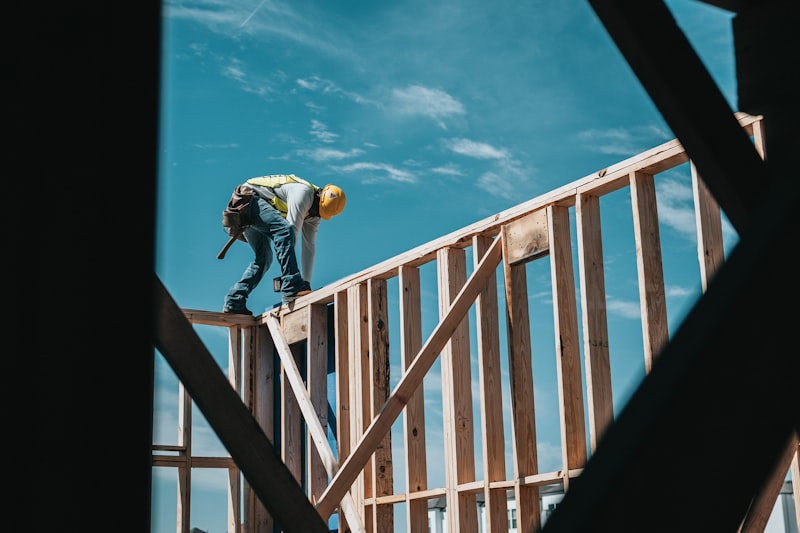
Working on storm-damaged roofs with unknown structural integrity creates collapse hazards where deck sections may be weakened by water saturation or structural member failure. Night operations with portable lighting create fall hazards from reduced visibility of roof edges, penetrations, and damaged sections. Active weather conditions during tarping operations expose workers to lightning, wind gusts, and hypothermia that are absent from planned work. Emergency driving with loaded trucks and trailers in storm conditions generates commercial auto frequency significantly above standard operations. Temporary repairs that fail before permanent work is completed create water damage claims where the adequacy of the emergency response is challenged. Fatigue from extended shifts during storm events degrades worker judgment and physical performance.
Coverages This Sub-Trade Needs
Carriers That Write This Sub-Trade
Emergency roofing contractors require specialist programs that accept the elevated frequency inherent in hazardous-conditions work rather than surcharging standard programs beyond affordability. Specialist markets serving disaster response and emergency construction trades understand that emergency operations carry different actuarial profiles than planned work. These programs evaluate emergency protocols, crew rotation policies, structural assessment procedures, and equipment readiness rather than simply applying surcharges to standard roofing rates. Connecting with specialists who access emergency services and catastrophe response markets provides appropriate coverage structure for 24/7 operations.
What Disqualifies an Account
Worker injuries occurring on structurally compromised roofs without prior structural assessment indicate protocols that send crews onto unknown surfaces. Commercial auto claims from emergency driving incidents suggest inadequate dispatch protocols and driver training for adverse conditions. Claims from temporary repair failures that allowed continued water intrusion signal scope-of-work communication failures with building owners. OSHA citations for fall protection violations during emergency operations demonstrate that time pressure overrides safety systems. Fatigue-related incidents from extended shifts without crew rotation indicate staffing inadequacy for 24/7 operations.
Frequently Asked Questions
Talk to a roofing insurance expert.
Tell us about your operation. We will get back to you within one business day.